| | Take Steps To Prevent and Control High Blood Pressure! 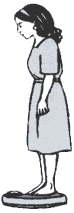 1. Maintain a healthy weight 1. Maintain a healthy weight
- Check with your health care provider to see if you need to lose weight.
- If you do, lose weight slowly using a healthy eating plan and engaging in physical activity.
2. Be physically active - Engage in physical activity for a total of 30 minutes on most days of the week.
- Combine everyday chores with moderate-level sporting activities such as walking to achieve your physical activity goals.
3. Follow a healthy eating plan - Set up a healthy eating plan with foods low in saturated fat, total fat, and cholesterol, and high in fruits, vegetables, and lowfat dairy foods such as the DASH eating plan.
- Write down everything that you eat and drink in a food diary. Note areas that are successful or need improvement.
- If you are trying to lose weight, choose an eating plan that is lower in calories.
4. Reduce sodium in your diet - Choose foods that are low in salt and other forms of sodium.
- Use spices, garlic, and onions to add flavor to your meals without adding more sodium.
5. Drink alcohol only in moderation - In addition to raising blood pressure, too much alcohol can add unneeded calories to your diet.
- If you drink alcoholic beverages, have only a moderate amount—one drink a day for women, two drinks a day for men.
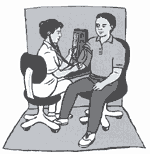 6. Take prescribed drugs as directed 6. Take prescribed drugs as directed
- If you need drugs to help lower your blood pressure, you still must follow the lifestyle changes mentioned above.
- Use notes and other reminders to help you remember to take your drugs. Ask your family to help you with reminder phone calls and messages.
| | |
Archived page, reproduced from a 2007 copy. It is reference material, not current guidance.